Nonylphenol Ethoxylates: What Australia’s IChEMS Proposal Means
Australia proposes IChEMS Schedule 5 for nonylphenol ethoxylates. Comments close 23 October 2026. Here is...
Posted on 30 Jul 2026
PFAS drinking water Australia rules just got far tighter. The NHMRC updated the Australian Drinking Water Guidelines in June 2025. The PFOS limit fell from a combined 70 ng/L value to a standalone 8 ng/L, a near-90% cut (NHMRC).
The PFAS National Environmental Management Plan then reached version 3.1 in May 2026. If you run procurement or process engineering for a utility, council or industrial plant, the treatment train is getting longer. It is also more chemical-intensive. Here is what it means for the chemicals you buy and dose.
The updated values are more conservative than most plants were designed for. PFOS is 8 ng/L, PFHxS 30 ng/L and PFOA 200 ng/L. PFBS is new, at 1,000 ng/L (NHMRC, June 2025). Short-chain PFAS were historically the hardest compounds to capture.
States and territories set compliance timelines, not the NHMRC. Pressure lands unevenly. Regional and industrial operators face the steepest bills. Their granular activated carbon (GAC) beds were never sized for short-chain breakthrough. Ion-exchange resin is now specified where GAC once sufficed.
Every new stage still sits inside a chemistry envelope built on workhorse commodities.
It is easy to read PFAS removal as a resin and membrane story. The acid-base chemistry around it matters just as much. Ion-exchange and oxidation stages are pH-sensitive. Each extra unit process is another point where pH must be trimmed.
That is the job of caustic soda. Sodium hydroxide is the default alkali for pH correction, hardness adjustment and metals precipitation. Chinese producers added about 1.61 million tonnes of caustic capacity in 2025, which keeps export supply open. Prices move, so check a current quote before you commit to a contract.
Disinfection is the other half of the equation. Utilities are moving from chlorine gas to sodium hypochlorite, chlorine dioxide and peracetic acid. The aim is fewer disinfection by-products and less gas-handling risk.
Hypochlorite is not set-and-forget. Available chlorine decays with heat, time, light and metal contamination. Australian summers speed this up. A drum dosed in February is not the same strength in July.
Dosing to a nameplate figure risks under-disinfection or over-dosing. The fix is simple. Buy to a verified available-chlorine spec. Rotate summer stock faster. Store it cool and dark. Large sites can evaluate on-site generation.
This is not a niche concern. Mordor Intelligence forecasts the Australian water treatment chemicals market to grow from US$502.7 million in 2025 to US$524.9 million in 2026. It reaches US$673.5 million by 2031, a 5.11% CAGR.
More stages mean more chemical touchpoints. They also mean more ways for an off-spec batch to trip a compliance breach. The winners will keep the unglamorous commodities reliable and correctly stored.
Talk to the UD Trading team about reliable, correctly specified sodium hypochlorite and caustic soda for your treatment plant. Email sales@udtrading.com.au or visit udtrading.com.au.
Australia proposes IChEMS Schedule 5 for nonylphenol ethoxylates. Comments close 23 October 2026. Here is...

Buru Energy's Rafael gas project is with the WA EPA. Here is what gas processing...
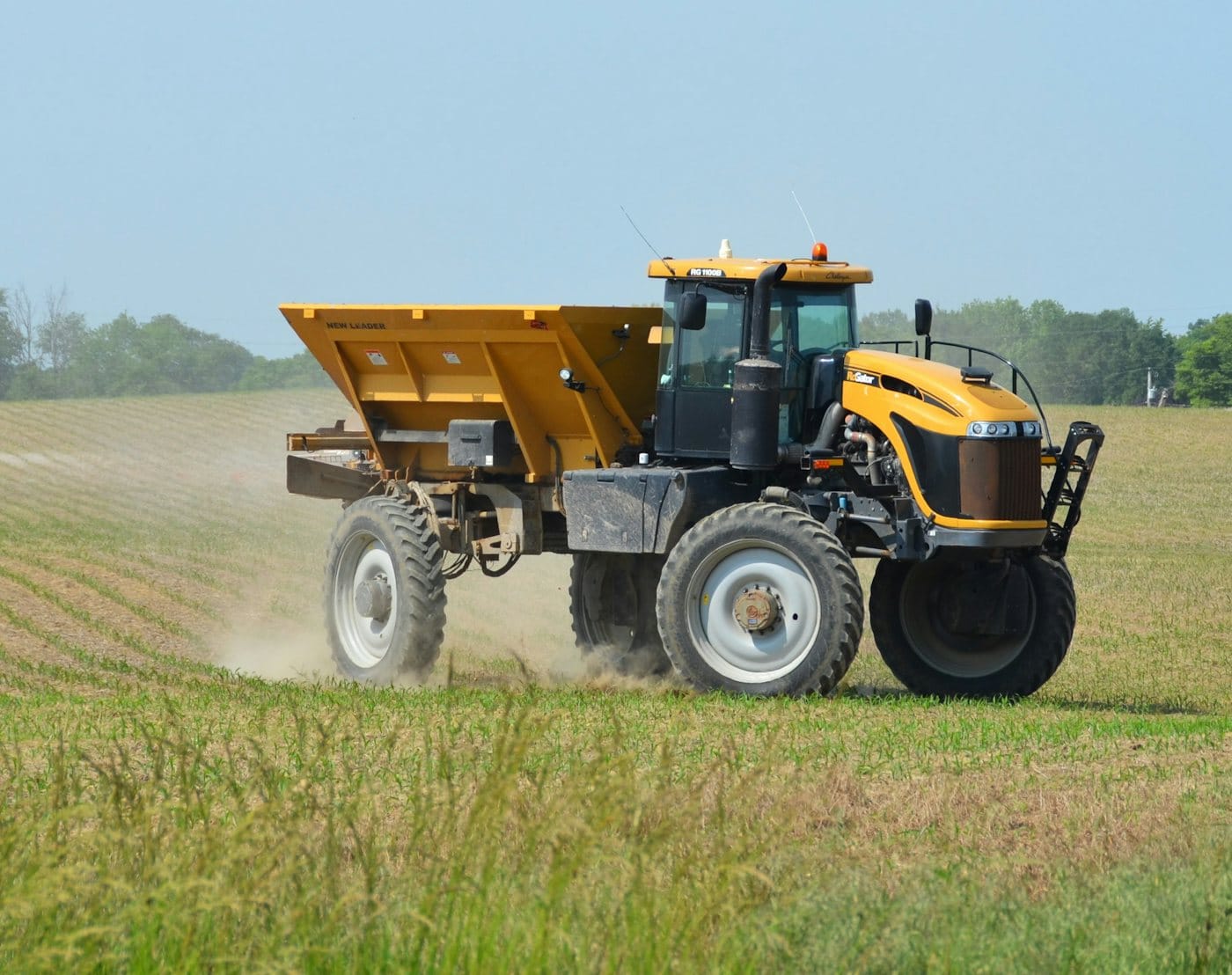
MAP is up 28% and Phosphate Hill shuts in 2027. See what phosphate fertiliser supply...
Sulphuric acid doubled in seven weeks. See how it squeezes the mining reagent supply chain...
MEG price Australia update: MEGlobal's October price jumped US$100/t as Hormuz stays shut. What LNG,...

New Tasmanian biosecurity rules meet a record El Niño. See what aquaculture biosecurity chemicals in...
