The Phosphate Squeeze: Why Australian Growers Should Secure 2027 Inputs Now
MAP is up 28% and Phosphate Hill shuts in 2027. See what phosphate fertiliser supply...

Posted on 5 Oct 2026
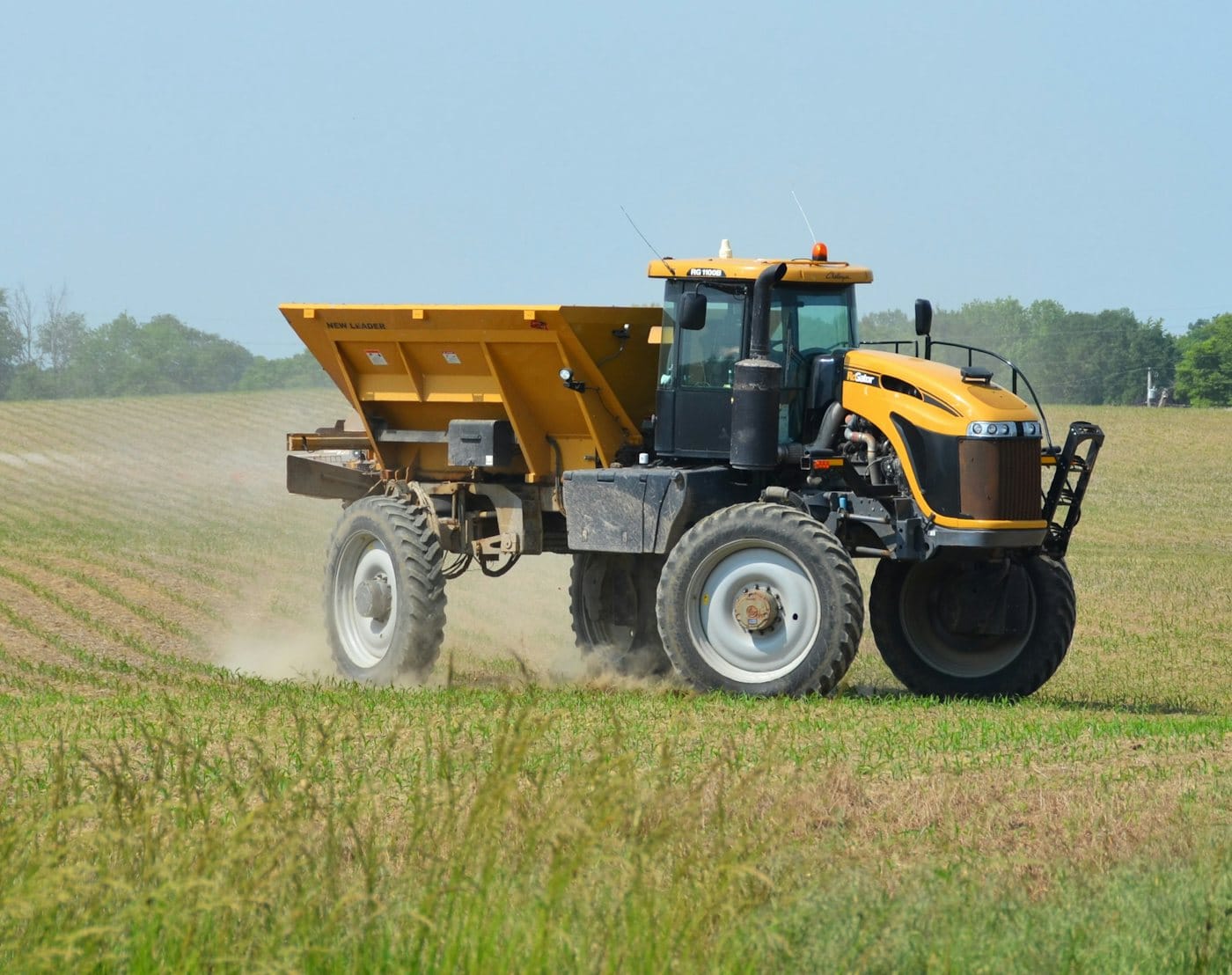
Phosphate fertiliser supply in Australia is tightening: MAP is trading at US$802–836 per tonne FOB Saudi Arabia, up 28% since November 2025 (Source: Argus Media via World Fertilizer, 25 September 2026), and the last Saudi fertiliser cargo reached Australia in late July. Urea has crashed back to pre-crisis levels while phosphate keeps climbing, and most buyers are still watching the wrong number.
Rabobank estimates Australia secured 104% of its expected urea needs for the 2026 winter season, with more than 3 million tonnes imported by 20 August (Source: Farm Weekly, citing Rabobank). Port urea fell from about $1,400/t in March–April to around $800/t by late July (Source: Farm Online, 28 July 2026).
Phosphate fertiliser supply went the other way. Delivered MAP in eastern Australia rose roughly $200/t this year to about $1,500/t, against a 10-year average near $800/t at port (Source: Farm Online, July 2026; Stock & Land). The cause isn’t gas. It is sulphur and sulphuric acid, the feedstock for phosphoric acid, and a Gulf disruption that has left phosphate producers short of both.
For procurement managers, the lesson is that a commodity going cheap says nothing about the one next to it. They share a headline (“fertiliser”) and almost nothing else in their supply chains.
1. Import concentration. Roughly 30% of Australia’s MAP and DAP imports came from Saudi Arabia in 2025 (Source: Argus Media via World Fertilizer, 25 September 2026). The rest comes from Morocco, China and the US, and the same reporting notes constraints across most origins. When a third of your supply stops, the other origins don’t absorb it at yesterday’s price.
2. Domestic capacity goes offline. The Phosphate Hill plant in western Queensland will shut for 56 days in March and April 2027 for mandatory maintenance, including work at its Mount Isa sulphuric acid plant (Source: Stock & Land). Australia imports about 1.5 million tonnes of MAP and DAP a year (2024–25 figures, same source). A domestic outage lands just before autumn sowing, the point of peak phosphate demand.
3. Volatility before shortage. Grain Growers CEO Shona Gawel said on 22 September that “the issue is volatility rather than supply,” and that markets react to geopolitical tension long before physical shortages appear (Source: World Fertilizer, 25 September 2026). Volatility is a pricing problem you can manage with timing. Shortage is an allocation problem you can’t.
Farm Weekly reports industry voices warning of possible phosphate limitations going into the start of 2027, and early-2026 DAP prices of US$670/t had risen to about US$915/t at the time of writing (Source: Farm Weekly, citing Ridley Corporation and Australian Fertilizer Corporation).
Phosphate doesn’t only hit broadacre. Horticulture and hydroponic operations buy phosphate-based nutrients too, and they also depend on acid and sanitiser chemistry that competes for the same sulphur-linked supply chains.
Irrigation and fertigation water. Growers on bicarbonate-rich bore or channel water commonly inject acid to lower pH and prevent scale. Mineral acids, including hydrochloric acid, are standard options, and the right choice depends on water chemistry and crop nutrient balance. If your acid of choice is sulphur-linked, a second approved option on your supplier list is cheap insurance.
Drip lines and emitters. Scale and biofilm blockages cost yield. Periodic acid flushing and hypochlorite treatment are widely used maintenance practices. Confirm concentrations and compatibility with your equipment supplier and your fertiliser programme before changing anything.
Packhouse and processing sanitation. Sodium hypochlorite and caustic-based cleaning programmes run on a different feedstock chain (chlor-alkali) to phosphates, so they are not directly exposed to the sulphur shock. That makes them a place to avoid stacking risk, not add it.
Technical note: this section gives general industry practice, not dosing advice. Water chemistry varies widely, so get a water analysis before changing an acid or sanitiser program.
See our agricultural chemicals range for acid, pH-adjustment and sanitiser options for irrigation, packhouse and water-treatment programs.
Talk to the UD Trading team about securing agricultural water-treatment chemicals for 2027 — email enquiries@udtrading.com.au or visit udtrading.com.au
MAP is up 28% and Phosphate Hill shuts in 2027. See what phosphate fertiliser supply...
Sulphuric acid doubled in seven weeks. See how it squeezes the mining reagent supply chain...
MEG price Australia update: MEGlobal's October price jumped US$100/t as Hormuz stays shut. What LNG,...

New Tasmanian biosecurity rules meet a record El Niño. See what aquaculture biosecurity chemicals in...

Finniss, Mt Marion and Bald Hill are restarting. See how lithium mine reagent supply, caustic...

AICIS registration 2026-27 is mandatory, with a one-off 90% levy discount and 293 new hazard-list...
