Nonylphenol Ethoxylates: What Australia’s IChEMS Proposal Means
Australia proposes IChEMS Schedule 5 for nonylphenol ethoxylates. Comments close 23 October 2026. Here is...
Posted on 6 Jul 2026
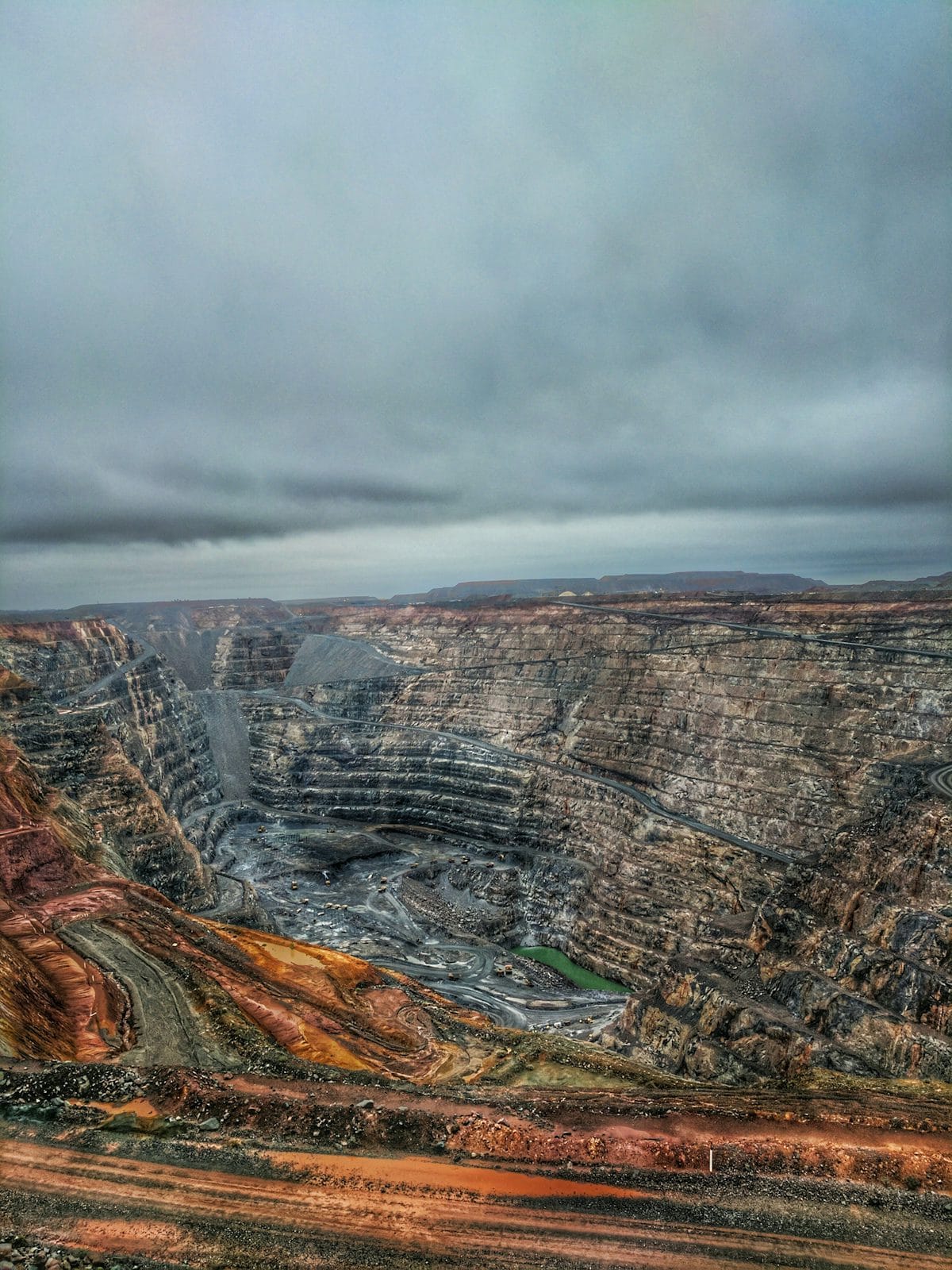
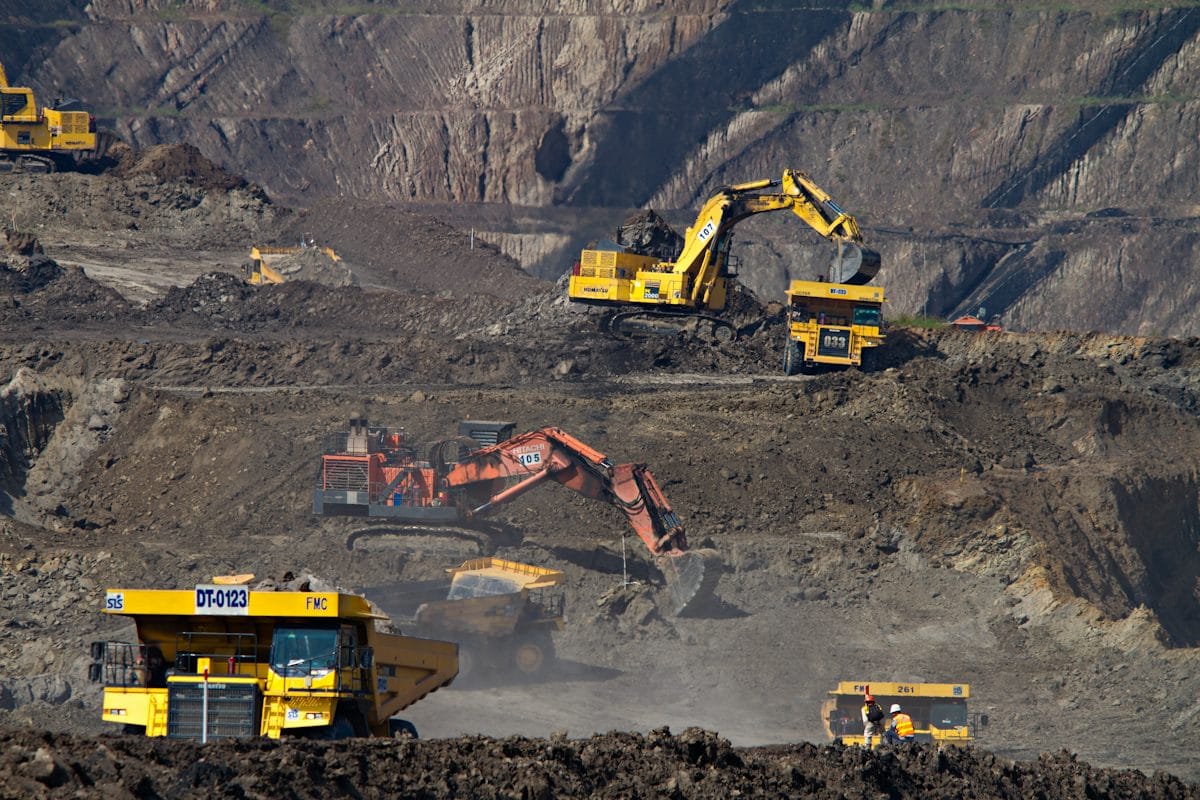
Gold processing reagent supply is tightening as gold traded above US$4,170 an ounce on 3 July 2026, near an all-time high (Trading Economics). Every ounce must be leached, adsorbed, eluted and refined. More than 90% of Australia’s 100-plus gold operations use sodium cyanide to do it (Discovery Alert, 2026).
Gold price and market data as at 6 July 2026. Prices have moved since.
The gold price gets the headlines. The reagent basket that pulls out the metal is where the squeeze is building. Teams that watch only cyanide miss most of their exposure.
This is not a short rally feeding a one-off order bump. Australia’s sodium cyanide market was about US$61 million in 2025. It is forecast to reach US$116 million by 2034, a 7.35% CAGR (IMARC / IndexBox, 2026). Close to 90% of the world’s gold relies on cyanidation.
The driver is grade. As high-grade orebodies deplete, miners treat more tonnes for the same ounce. Lower grade means longer leach times and more reagent per ounce. That covers lime, caustic soda, hydrochloric acid and activated carbon, not just cyanide. A record gold price makes marginal ore economic, so reagent intensity rises as throughput rises.
The domestic industry is responding. Australian Gold Reagents (AGR) approved an expansion of its Kwinana plant in Western Australia. It lifts sodium cyanide capacity by more than 30% to about 130,000 tonnes a year (WesCEF / AGR, February 2025). Orica runs a further 95,000 tonne plant at Yarwun in Queensland.
The catch is timing. First production from the expanded line was scheduled for FY2026. Full capacity arrives in the second half of FY2027 (AGR, 2025). It is largely committed to majors under long-term offtake. Mid-tier miners compete for the tonnes in between.
Cyanide dominates the conversation. A plant cannot run on cyanide alone. The commodity reagents move fastest because no expansion program backs them.
Caustic soda. The elution circuit strips gold from loaded carbon with a hot caustic-cyanide solution, typically 1-2% NaOH. Caustic is also the main pH lever. It is a chlor-alkali co-product, so Australian prices follow Asian and European operating rates. See our caustic soda page.
Hydrochloric acid. A 3-5% acid wash removes carbonate foulants from carbon. Skip it and recovery quietly drops. Acid availability ties to industrial by-product streams, so it can tighten for reasons unrelated to mining. See our hydrochloric acid page.
Activated carbon and lime. Carbon attrition needs constant make-up. Imported carbon carries freight and lead-time risk. Lime is high-volume and logistics-sensitive.
When gold surges, every operator reaches for the same reagents at once. The constraint shows up first in the item you did not hedge.
First, map your full reagent basket. Model use per ounce at today’s head grade, then at a lower grade.
Second, lock supply on the unglamorous reagents. Caustic and acid often run on spot or short contracts. That is backwards in a tight market.
Third, hold a buffer on single-source items. A record gold price is worthless if the plant waits on a caustic delivery.
Talk to the UD Trading team about gold-processing reagent supply. Email sales@udtrading.com.au or visit udtrading.com.au.
Australia proposes IChEMS Schedule 5 for nonylphenol ethoxylates. Comments close 23 October 2026. Here is...

Buru Energy's Rafael gas project is with the WA EPA. Here is what gas processing...
MAP is up 28% and Phosphate Hill shuts in 2027. See what phosphate fertiliser supply...
Sulphuric acid doubled in seven weeks. See how it squeezes the mining reagent supply chain...
MEG price Australia update: MEGlobal's October price jumped US$100/t as Hormuz stays shut. What LNG,...

New Tasmanian biosecurity rules meet a record El Niño. See what aquaculture biosecurity chemicals in...
