Taroom Trough Oilfield Chemicals: What Queensland Wells Use
Omega's Canyon North-1 hit record gas shows in Queensland's Taroom Trough. Here is what public...

Posted on 16 Nov 2026
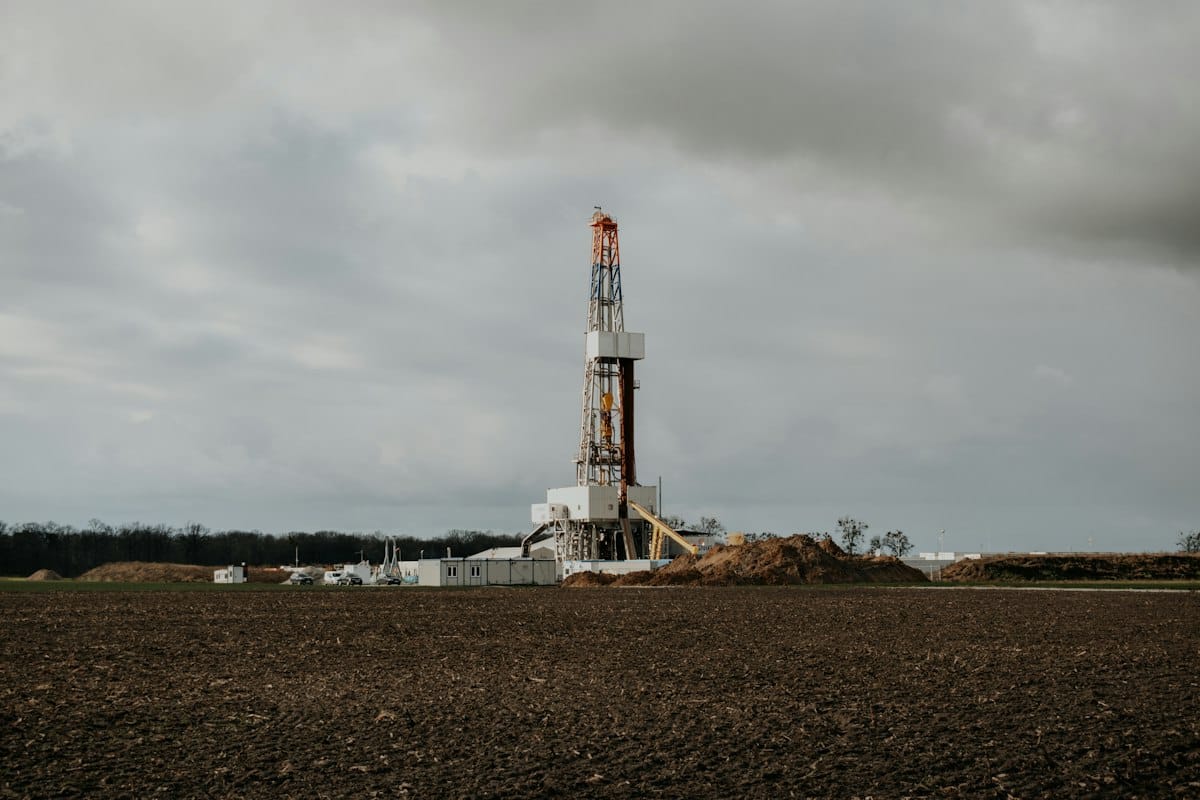
Queensland’s Taroom Trough is moving quickly. On 13 November 2026, Omega Oil & Gas reported its highest gas shows to date from Canyon North-1, a 4,700 m well it describes as the deepest ever drilled in Queensland. For operators and suppliers, that progress raises a practical question. Which Taroom Trough oilfield chemicals do these wells actually use? Here is what the public sources say, and what they do not.
According to Industry Queensland, Omega leads the ATP 2081 joint venture with Tri-Star and Beach Energy. Canyon North-1 is the joint venture’s first well.
The partners first planned to drill to about 4,000 m. However, they chose to go deeper to fully penetrate the Muggleton Formation. That decision followed encouraging results from Omega’s nearby Canyon-4 well.
The well then recorded very high gas shows through the Muggleton. Notably, the gas came from unstimulated rock in an over-pressured, deep well. At surface, crews separated the gas from the drilling fluid and flared it in a controlled way.
Next, Omega plans a wireline logging program at Canyon North-1. After that, it expects to drill Canyon North-2 in the fourth quarter of 2026. A horizontal appraisal and flow testing program follows in the first half of 2027.
The state government is also backing the region. A joint ministerial statement from Premier David Crisafulli and Treasurer David Janetzki on 4 November 2026 set out the key numbers:
In addition, the statement says Shell QGC drilled three new tight gas lateral wells this year. It also completed Queensland’s largest-ever 3D seismic survey. Meanwhile, Denison plans to begin drilling in the Taroom Trough next year with partner OGT Energy.
Omega’s chief executive has gone further. He says the basin could hold multiple billions of barrels of oil and gas equivalent. That is a company estimate, not a confirmed reserve, and the statement presents it as his view.
No public source we found lists the exact products used in each Taroom Trough well. Even so, there is a useful guide. Shell QGC, one of the operators named in the state’s statement, publishes a hydraulic fracturing chemicals page for its Queensland onshore gas work.
That page says fracturing fluid is mostly water and sand. Chemical additives make up only a small proportion. Their jobs are to reduce friction, remove bacteria, dissolve some minerals and help the fluid carry sand.
Specifically, the disclosure names these products and functions:
Keep in mind that this list covers Shell QGC’s onshore gas operations in general. It does not say which products went into any particular Taroom Trough well.
So what can procurement and HSE teams take from this? First, the timelines are public. Omega has flagged Canyon North-2 for late 2026 and flow testing for the first half of 2027. Shell QGC, for its part, has described a staged well testing program that is already producing gas and liquids.
Second, the Shell page shows what good documentation looks like. It says QGC supplies safety data sheets and independent stimulation chemical risk assessments. It also keeps product entries online for at least a year after use.
Therefore, a sensible checklist before any program starts is simple:
Finally, for background on another onshore play, see our earlier post on Beetaloo first gas and oilfield chemical supply.
Talk to the UD Trading team about Taroom Trough oilfield chemicals. Email enquiries@udtrading.com.au or visit udtrading.com.au.
Omega's Canyon North-1 hit record gas shows in Queensland's Taroom Trough. Here is what public...
WA has extended the new phosphine exposure limit to 1 December 2029, and Victoria has...

October freight reports put numbers on vessel delays and surcharges. Here is what they mean...
A solar desalination unit near Esperance is making news. Behind every brackish water desalination system...
Australia proposes IChEMS Schedule 5 for nonylphenol ethoxylates. Comments close 23 October 2026. Here is...

Buru Energy's Rafael gas project is with the WA EPA. Here is what gas processing...
